INTJ
The everyday you
As an INTJ, you see the pattern under events and arrive at a picture of where things are going before you can show your working. You organize the world to get there, and you finish. You keep your values private and firm. And your weakest habit, the one that overwhelms you fastest, is noticing what is in front of you and the body you are in.
Take the free quiz Compare two types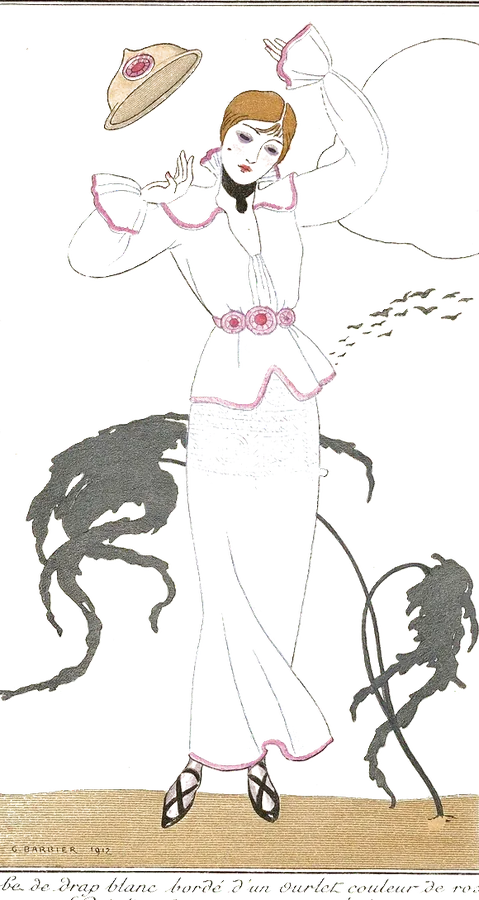
The four selves
sensing where it's going Ni · making it work Te · staying true Fi · noticing what's here Se
At your best you are the one with the long view and the system to reach it: original, independent, skeptical, and hard on yourself. The cost is impatience with detail and with now, a habit of treating people as parts of a plan, and a certainty that arrives before the reasons do and does not wait for them.

noticing what's here Se · staying true Fi · making it work Te · sensing where it's going Ni
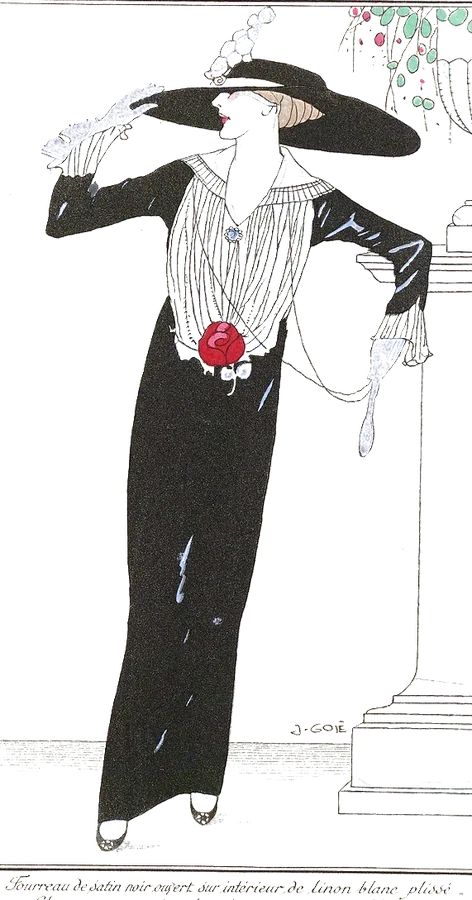
You admire the person who is entirely here: outgoing, accepting, at home in her senses, bringing people together in the moment without a plan. That ease is your weakest habit turned into her strength, which is why it fascinates you and why you feel faintly measured beside it. You grow toward it one unplanned afternoon at a time.

seeing what could be Ne · making it make sense Ti · tending the room Fe · comparing with what's been Si
Under stress the long view goes dark. You fixate on details and sensations, overdo food or spending or a screen, and treat the outside world as an opponent. That is your Unconscious, your four habits turned the other way. It is also why the person who generates ten options and argues each one for sport can be the hardest for you to be around.
comparing with what's been Si · tending the room Fe · making it make sense Ti · seeing what could be Ne
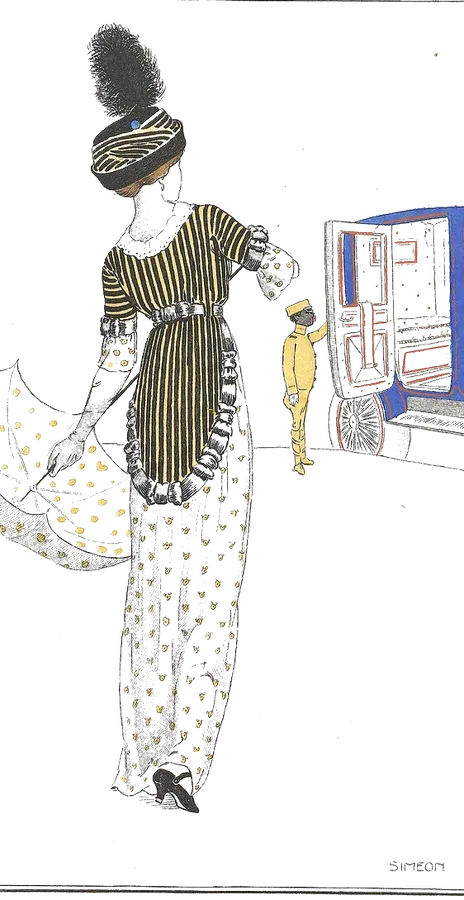
When you are on duty you play the quiet caretaker: loyal, thorough, remembering what everyone needs and providing it without conflict. You can hold it for a family weekend. Held longer it wears thin, because it runs on the habits you own least, and it asks you to set your own picture aside for the room’s comfort.
one type, four selves:
across = reversed · down = turned
SouthYour family
An INTJ’s four selves are INTJ, ESFP, ENTP, and ISFJ. Those four types share one set of selves, which makes them a family, and every one of the sixteen types belongs to one of four families. That is why your other three are the same as every other INTJ’s, and why they can be compared with anyone’s. INTJ is in the South family.
The types most often mistaken for yours
| Your type, or its neighbor | The question that separates them |
|---|---|
| INTJ or INTP | Ni-Te vs Ti-Ne. When information is incomplete, do you condense it to one direction and decide, or keep the options open? For a firm opinion on a hard problem you are more likely to get one from an INTJ; to an INTP there are too many variables to be sure of much. |
| INTJ or INFJ | Both Ni-lead; auxiliary Te vs Fe. Does your second move optimize the system and handle conflict comfortably, or prioritize harmony and other people's feelings? |
A detail worth knowing: for introverts, the last letter describes the second function, not the first. Your lead function works on the inside; what the world sees is the second. That is why the types below can look alike from the outside and feel completely different from within.
The workbook
Go deeper, on paper. A workbook for your type, with a chapter for each of your four selves and questions about your own week rather than your traits. It comes as a PDF to print at home, or to fill in on a tablet with a stylus.
The workbook for your type. Fifty-five pages, a chapter for each self, mostly questions to write about.
$14 · PDF Coming soon
Your four selves, as a signature
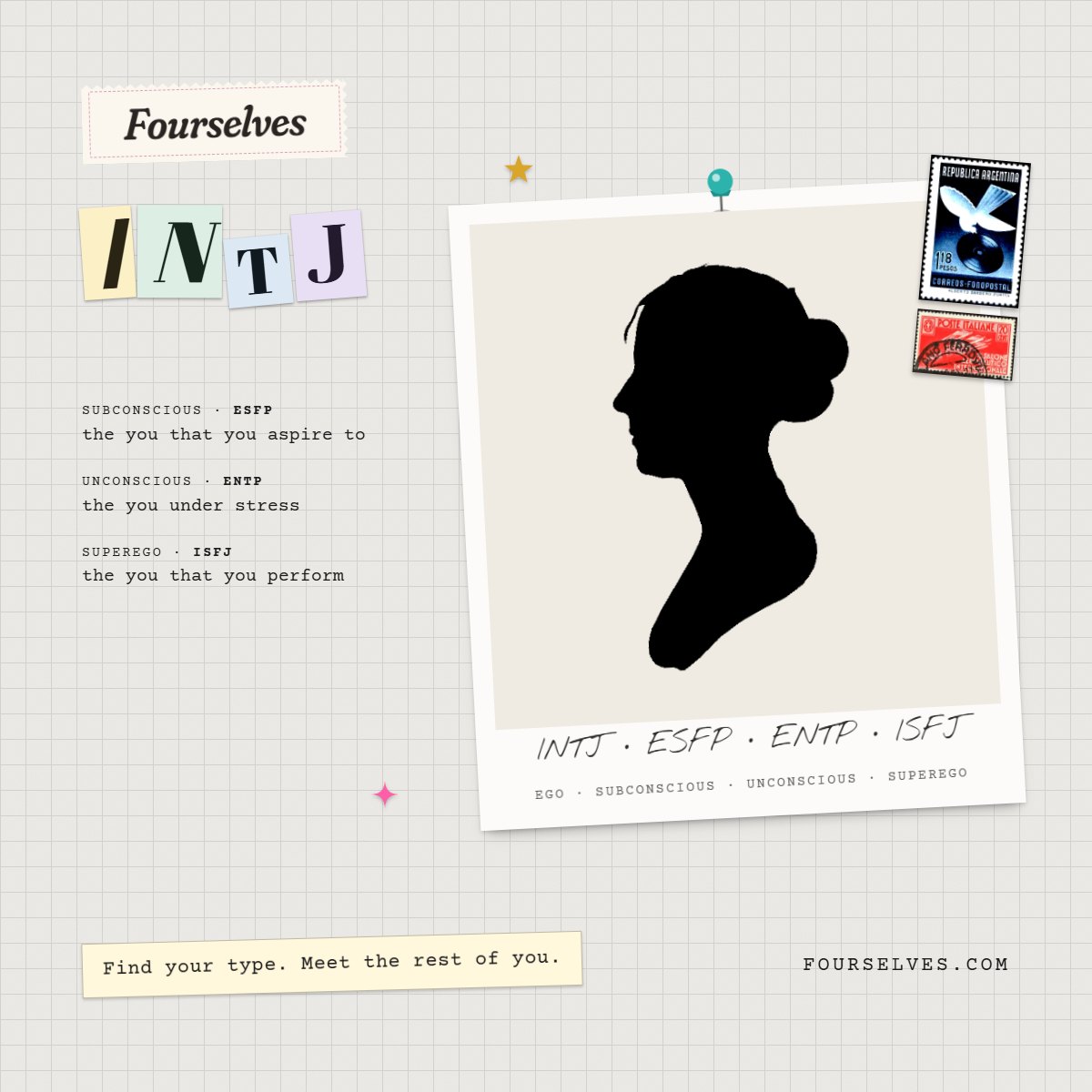
Your type, and the three that come with it, on one card. Save it, post it, or send it to someone who should take the quiz.
Save the card