ESTP
The everyday you
As an ESTP, you are in the room and on the problem, right now, and you would rather act on it than hear it explained. You check what you see against a quick logic of your own. You can read people and win them over when it matters. And your weakest habit, the one that spooks you fastest, is sensing where things are going and what they might mean.
Take the free quiz Compare two types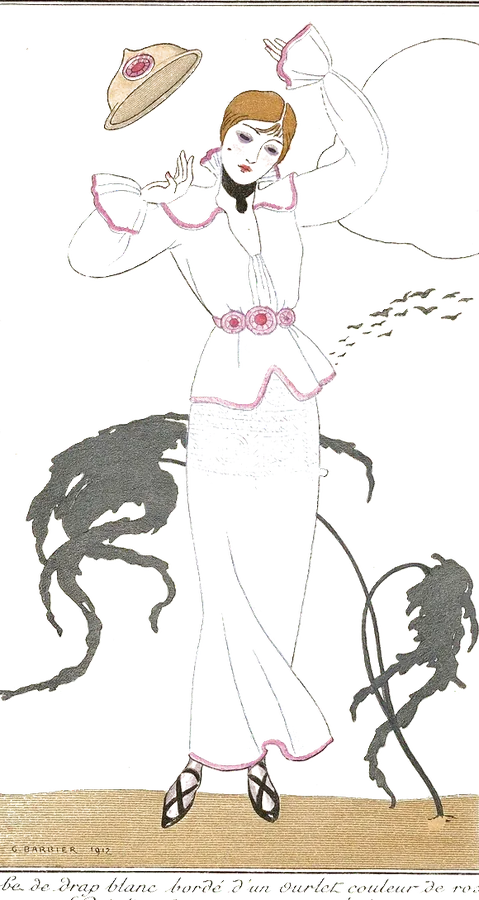
The four selves
noticing what's here Se · making it make sense Ti · tending the room Fe · sensing where it's going Ni
At your best you are the improviser, the negotiator, the hands-on problem-solver: pragmatic, tolerant, spontaneous, learning by doing and good under pressure. The cost is foresight. Patience, the long view, and the question of consequence are the habits you trust least, so they arrive late, if at all.
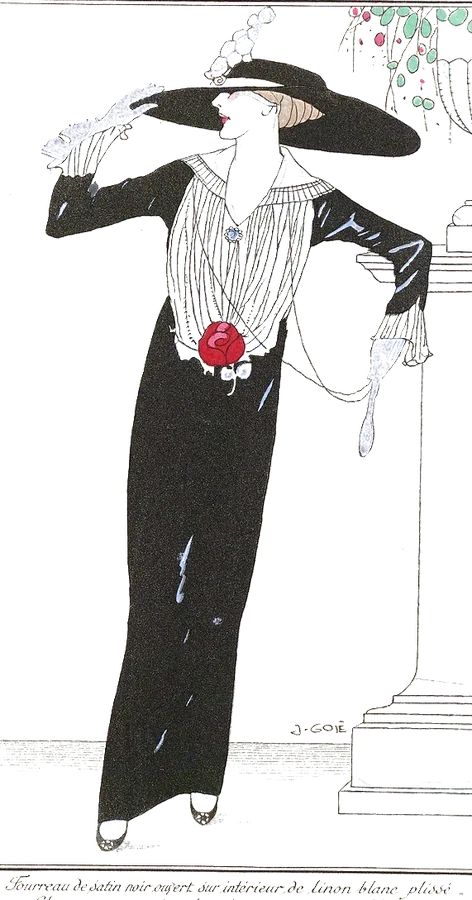

sensing where it's going Ni · tending the room Fe · making it make sense Ti · noticing what's here Se
You admire the person who seems to know where things are going before there is any evidence, and who understands what moves people without asking. That quiet insight is your weakest habit turned into her strength, so it fascinates you and it measures you. You reach for it by sitting still with one question for longer than you like.

comparing with what's been Si · making it work Te · staying true Fi · seeing what could be Ne
Under stress the doer goes quiet and withdrawn. You imagine the worst, a fatal illness or a lost relationship, read neutral faces as hostile, and find dark meaning in ordinary events. That is your Unconscious, your four habits turned the other way. It is also why a careful, rule-bound person who does it the way it has always been done can wear on you.
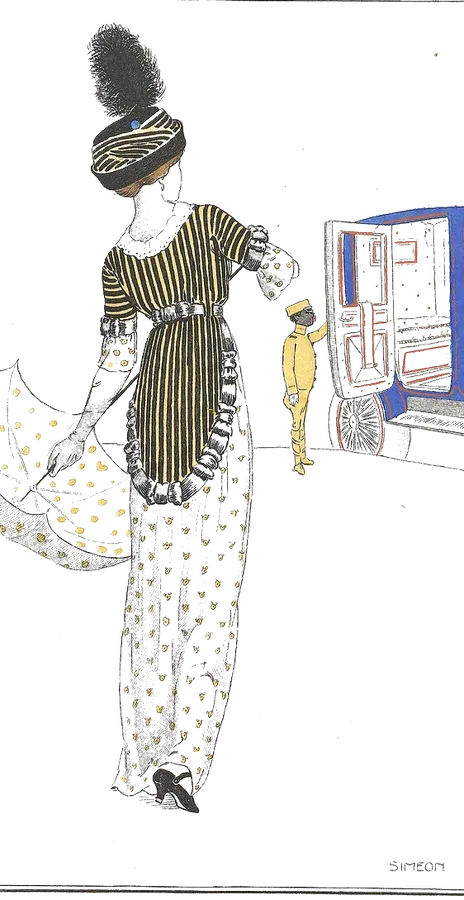
seeing what could be Ne · staying true Fi · making it work Te · comparing with what's been Si
When you are watched you play the enthusiast: imaginative, warm, full of possibilities, selling the idea before it exists. It is a role you can wear for a pitch. Worn longer it goes hollow, because it runs on the habits you own least, and it keeps you talking about tomorrow instead of acting today.
one type, four selves:
across = reversed · down = turned
NorthYour family
An ESTP’s four selves are ESTP, INFJ, ISTJ, and ENFP. Those four types share one set of selves, which makes them a family, and every one of the sixteen types belongs to one of four families. That is why your other three are the same as every other ESTP’s, and why they can be compared with anyone’s. ESTP is in the North family.
The types most often mistaken for yours
| Your type, or its neighbor | The question that separates them |
|---|---|
| ESTP or ESFP | Both Se-lead; auxiliary Ti vs Fi. Do you test a move by whether it works logically, or by whether it feels right to you? |
| ESTP or ISTP | Same functions, different lead: the present moment first (Se) or analysis first (Ti)? |
The workbook
Go deeper, on paper. A workbook for your type, with a chapter for each of your four selves and questions about your own week rather than your traits. It comes as a PDF to print at home, or to fill in on a tablet with a stylus.
The workbook for your type. Fifty-five pages, a chapter for each self, mostly questions to write about.
$14 · PDF Coming soon
Your four selves, as a signature
Your type, and the three that come with it, on one card. Save it, post it, or send it to someone who should take the quiz.
Save the card